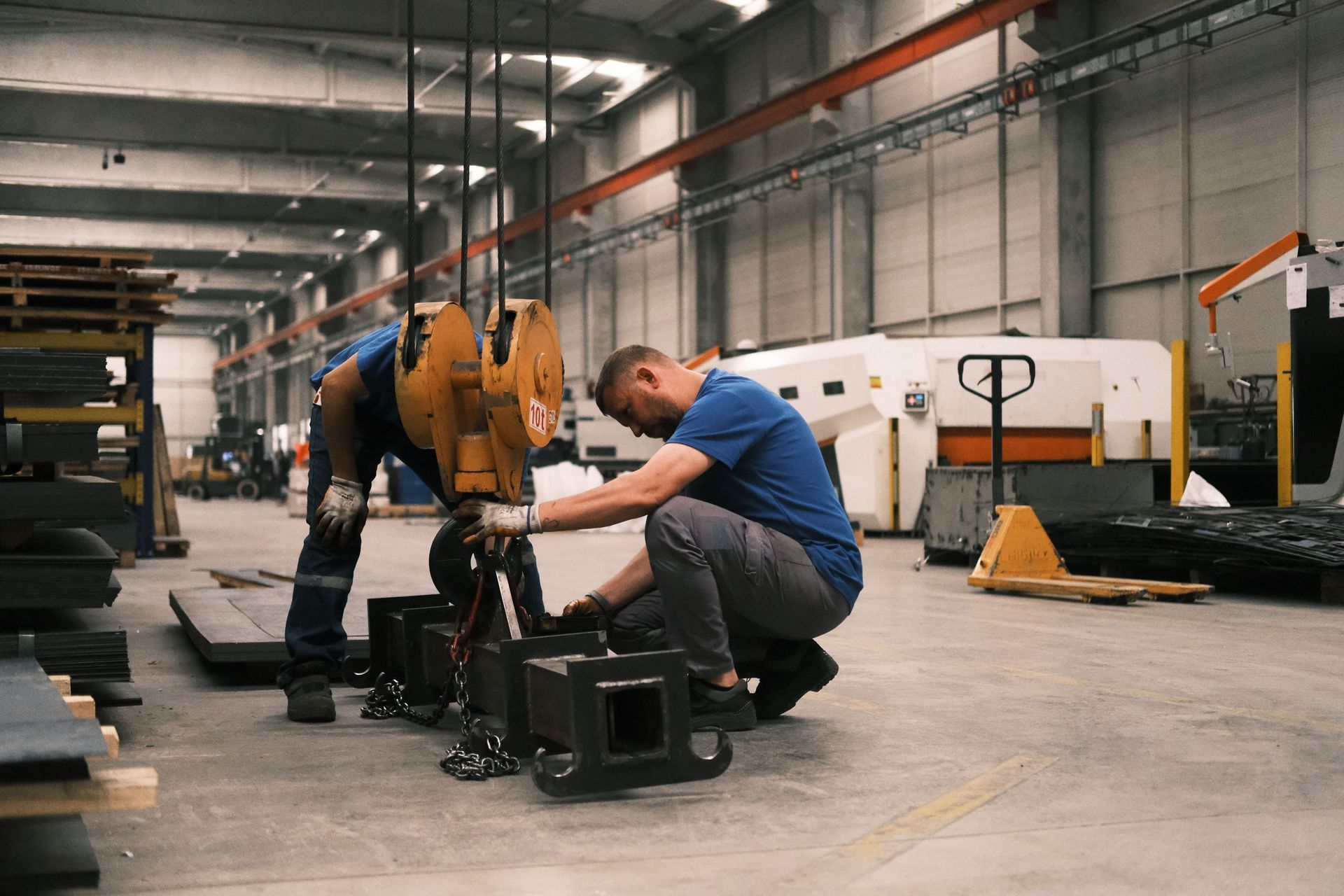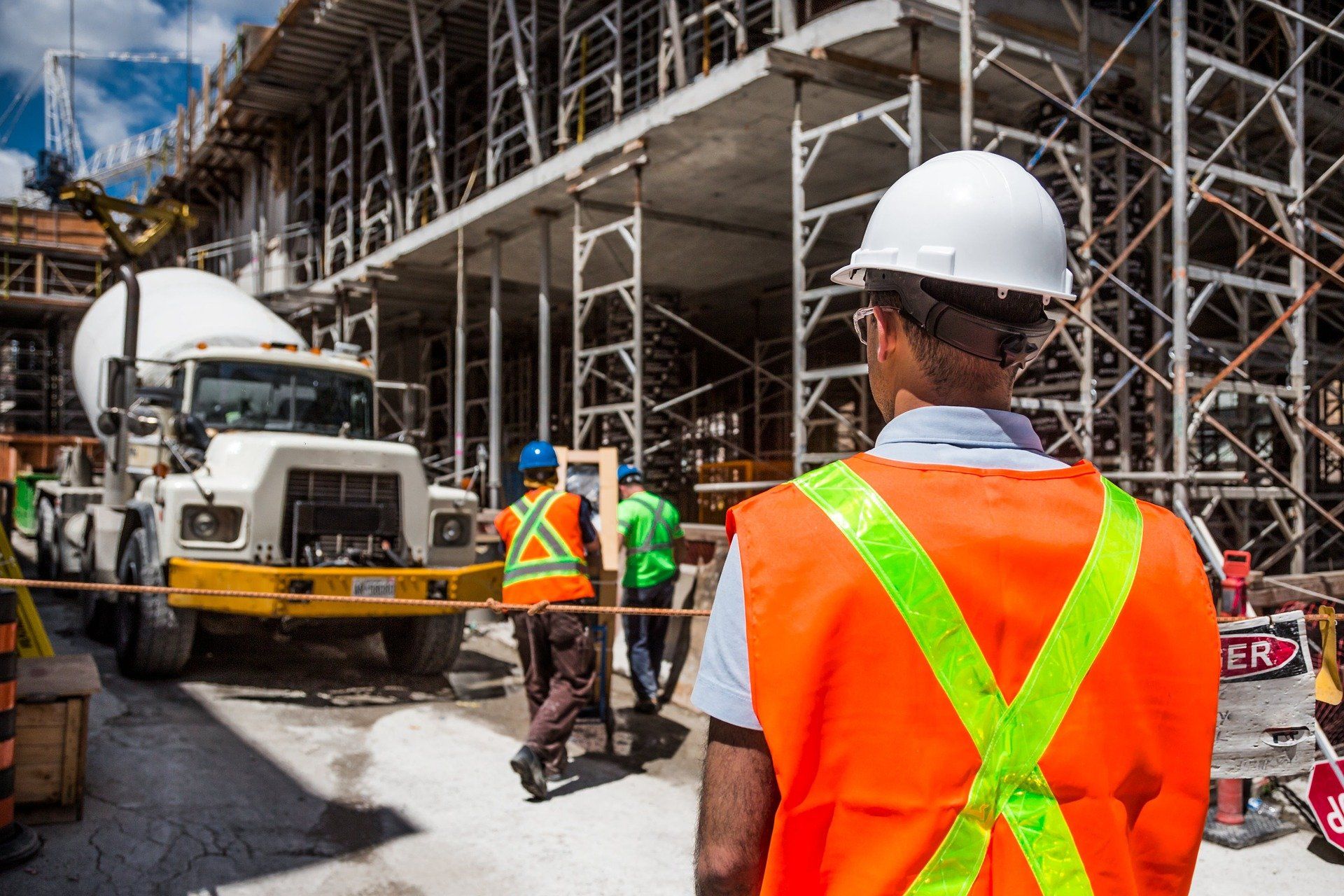

A rigger is a skilled worker who uses specialised equipment to lift, move, position and secure heavy loads. Riggers work alongside crane operators, construction workers and other tradespeople to ensure that machinery, structural components and materials are handled safely and efficiently.
From mining operations in Western Australia to major construction projects across the country, riggers play an important role in Australia's industrial workforce.
At Techforce Personnel, we help candidates explore rigger jobs across Australia that align with their qualifications, skills and industry experience.
The Role of a Rigger
- Rigging involves using mechanical lifting and load-shifting equipment to move objects that cannot be safely handled by manual labour alone.
- A rigger may work with cranes, hoists, chains, wire ropes, slings, shackles and other specialised lifting equipment. Their responsibilities depend on the working environment, the equipment involved and their high risk work licence class.
- According to Jobs and Skills Australia, construction riggers use lifting equipment to position machinery, structural steel and other heavy objects.
- Unlike crane operators, who control the crane itself, riggers primarily focus on preparing and securing loads and supporting their safe movement.
- Both roles require effective communication and coordination, particularly when working around heavy machinery or in restricted spaces.
Key Duties and Responsibilities of a Rigger
The daily responsibilities of a rigger vary depending on the project and industry. However, most rigging roles involve a combination of equipment preparation, load handling and workplace safety responsibilities.
Common rigger duties include:
- Selecting and inspecting lifting equipment appropriate for the task.
- Identifying potential hazards before lifting operations begin.
- Preparing and securing machinery, materials and structural components for movement.
- Communicating with crane operators and other members of the lifting crew.
- Assisting with the safe positioning and installation of heavy equipment.
- Identifying damaged or unsuitable rigging equipment and reporting safety concerns.
- Following site-specific procedures, lifting plans and workplace health and safety requirements.
Riggers must understand the limitations of their equipment and the scope of their qualifications. An important part of the role is recognising when conditions have changed and when a task needs to be reassessed before work continues.
Types of Rigging Jobs in Australia
Rigging skills are used across several Australian industries. Although the fundamental principles remain similar, the working conditions and responsibilities can differ significantly between sectors.
Mining and Resources
Mining riggers assist with the movement, installation and maintenance of heavy equipment used in mineral processing facilities and mine sites. Their work may involve supporting maintenance teams, moving machinery components or assisting with equipment replacement during planned shutdowns.
Some mining rigging positions operate on fly-in, fly-out (FIFO) arrangements, while others are based at residential or local sites. You can explore available
mining jobs to learn more about employment opportunities within Australia's resources sector.
Civil and Commercial Construction
Construction riggers help position structural components used in commercial buildings, industrial facilities and infrastructure projects. Depending on their licence class and experience, their responsibilities may involve structural steel, precast concrete components and construction lifting equipment.
These roles often require close coordination with crane operators, steelworkers and other tradespeople. Techforce supports candidates looking for
construction jobs across Australia, including opportunities within specialised trades.
Oil and Gas
In the oil and gas industry, riggers may support the movement and installation of industrial machinery, processing equipment and plant components. Working environments can include processing facilities, maintenance projects and remote operational sites. Candidates may need additional qualifications, site inductions or relevant industry experience depending on the employer and project requirements.
Industrial Shutdowns and Maintenance
During planned industrial shutdowns, riggers can assist maintenance crews with equipment removal, replacement and installation. These projects often involve multiple trades working within coordinated schedules. Riggers need to communicate clearly and follow established safety procedures while supporting the wider maintenance team. Shutdown work may suit experienced candidates seeking project-based or contract employment.
The Difference Between a Rigger and a Dogman
Dogging and rigging are closely related occupations, but their responsibilities are not identical.
Dogging involves selecting and applying appropriate slinging methods and directing crane operators when a load is outside the operator's view.
Rigging encompasses additional work involving lifting equipment, load movement and the positioning or securing of structural components.
Safe Work Australia’s high risk work licence classifications distinguish between dogging and the different levels of rigging work.
Understanding these distinctions is important when reviewing job advertisements, as employers may specify particular licence classes based on the responsibilities of the position.
Essential Skills for a Rigger
Successful riggers need more than technical qualifications. Employers also look for practical abilities and personal qualities that contribute to safe and reliable operations.
Important skills include:
- Attention to detail: Recognising equipment defects and potential workplace hazards.
- Communication: Working effectively with crane operators, supervisors and other tradespeople.
- Technical understanding: Knowing the capabilities and limitations of lifting equipment.
- Spatial awareness: Understanding how loads and equipment interact with their surroundings.
- Teamwork: Coordinating responsibilities within a lifting or maintenance crew.
- Safety awareness: Following established procedures and recognising when work should stop.
Physical fitness may also be important, depending on the demands of the role and the working environment.
Finding Rigger Jobs in Australia
When searching for rigging work, consider which industries best suit your qualifications, previous experience and preferred working arrangements. Review each job description carefully, paying particular attention to the required licence class, project location, employment type and any additional site requirements. Keep your resume and qualification records current so that recruitment consultants can assess your suitability for relevant positions.
If you are considering rigging as a long-term occupation, our guide to
whether being a rigger is a good career in Australia provides further information about career prospects and earning potential.
Whether you are an experienced rigger or looking to develop your career in Australia's industrial sectors, explore our available recruitment opportunities or contact the Techforce team for job search assistance.
More Success Stories