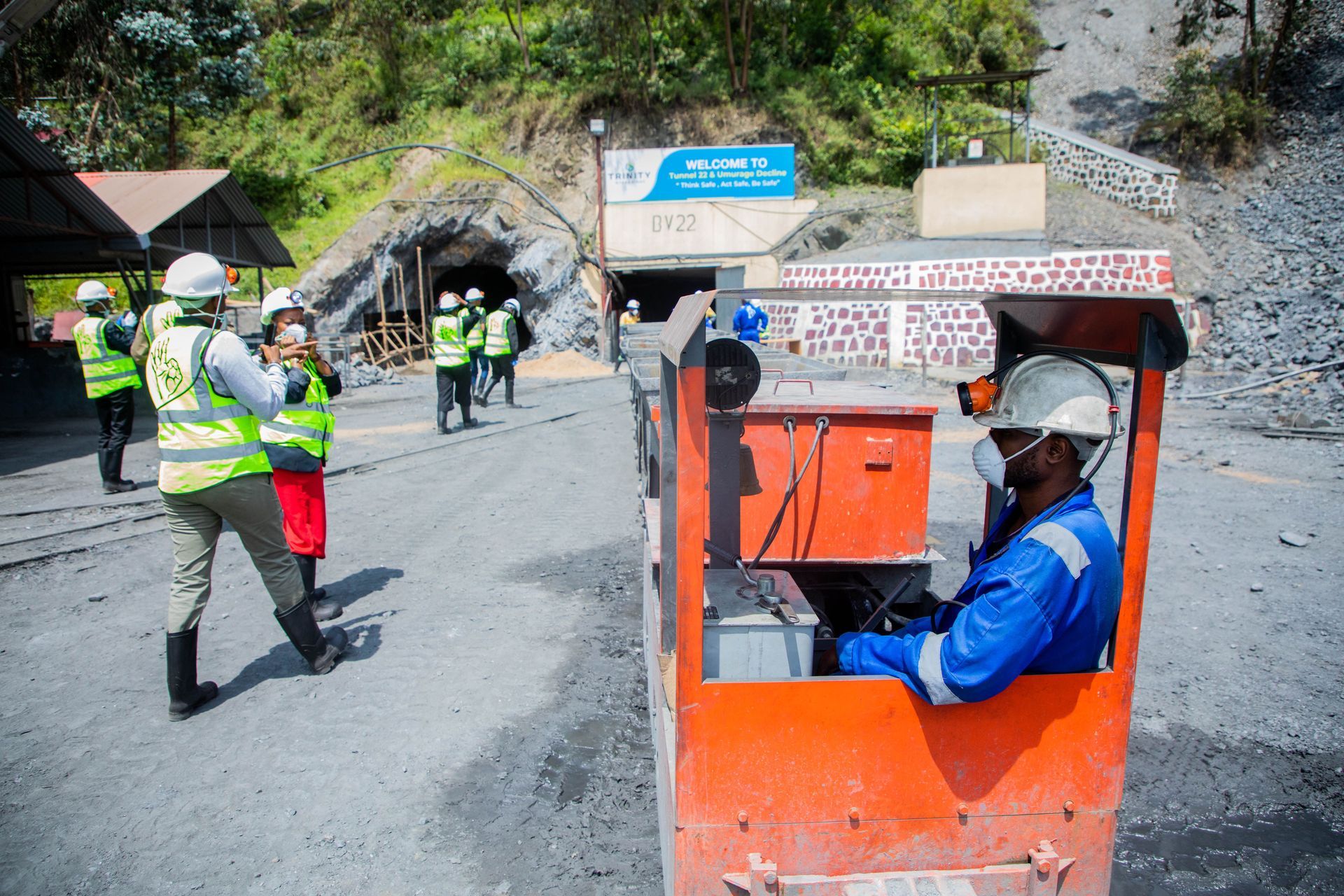

Being a rigger can be a rewarding career in Australia if you enjoy practical work, problem-solving and working as part of a team. Qualified riggers can earn competitive salaries across construction, mining, infrastructure, energy and shutdown projects. However, the role involves physical work, strict safety responsibilities, working at heights and, in some positions, long shifts or time away from home.
For career changers, new workforce entrants and existing construction workers looking to specialise, rigging offers a recognised qualification pathway and opportunities to move into higher-level roles. FIFO rigging jobs can also provide increased earning potential for workers who are comfortable with remote locations and rostered work.
What Does a Rigger Do?
A rigger is responsible for preparing, securing and controlling heavy loads so they can be lifted and moved safely. Riggers work closely with crane operators, doggers, supervisors and other tradespeople to position machinery, structural steel, precast concrete and industrial equipment.
A rigger’s daily responsibilities may include:
- Selecting the correct slings, chains, shackles and lifting equipment
- Attaching and securing loads before a lift
- Installing hoists, winches, pulleys and other rigging systems
- Inspecting lifting gear for wear, damage or defects
- Reading lift plans and checking load weights
- Communicating with crane operators and site personnel
- Establishing exclusion zones around lifting operations
- Following workplace health and safety procedures
The exact duties depend on the worker’s licence class and the type of project. Riggers may find employment across commercial construction, mining, oil and gas, civil infrastructure, industrial maintenance, renewable energy and major project shutdowns.
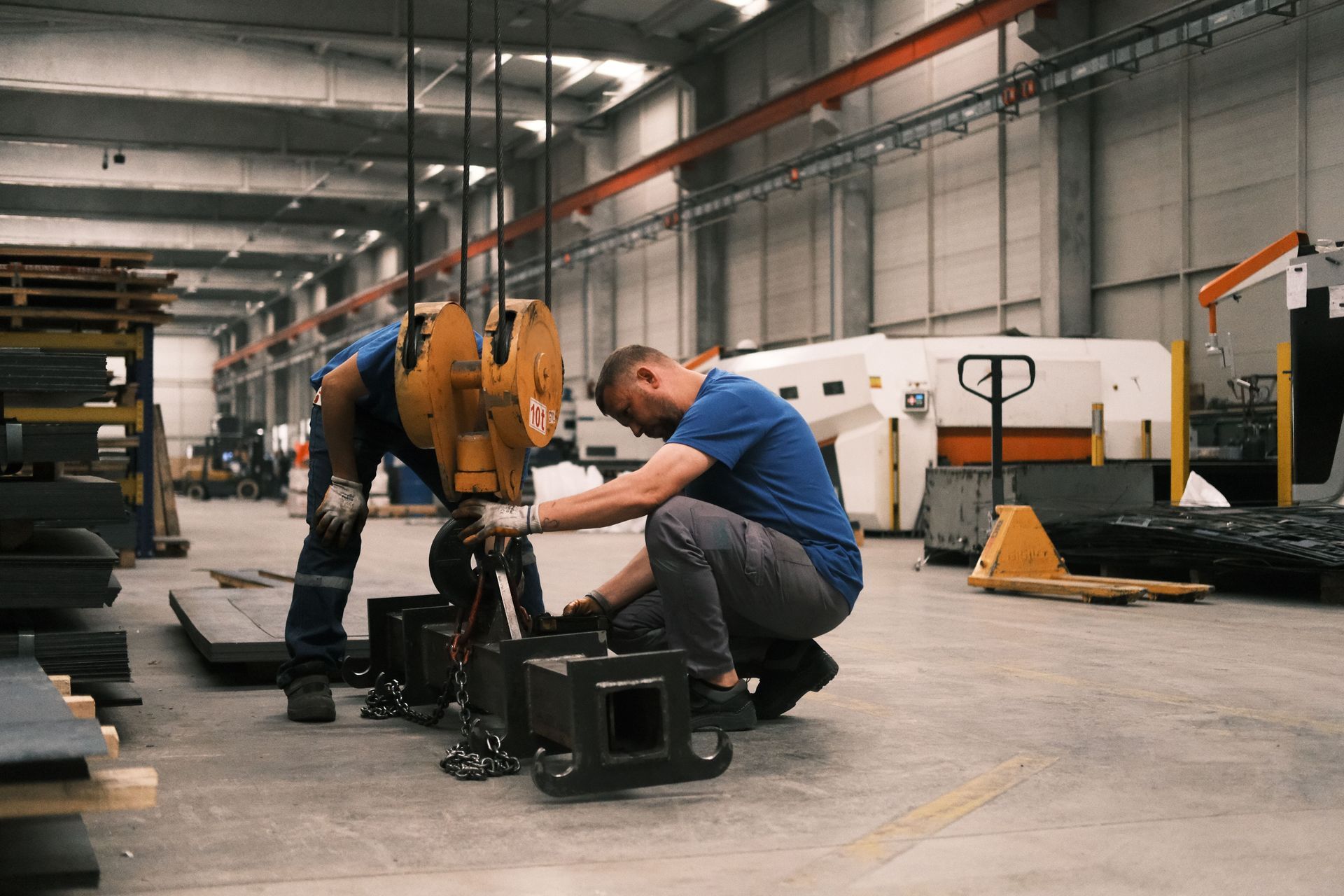
Why Being a Rigger Can Be a Good Career
Rigging can offer a strong career pathway for people who prefer active, hands-on work over an office-based role.
Competitive Earning Potential
Qualified riggers can earn attractive hourly rates, particularly when working on major infrastructure, mining or shutdown projects. Overtime, night shifts, site allowances and remote-work payments may increase overall earnings.
Opportunities for FIFO Work
FIFO rigger jobs are available across mining and resources projects in Western Australia, Queensland, South Australia and the Northern Territory. These roles may include flights, accommodation and meals while workers are on site.
Clear Career Progression
Rigging has a structured licensing pathway. Workers can progress from dogging or basic rigging into intermediate and advanced rigging roles.
With additional experience, a rigger may move into positions such as:
- Advanced rigger
- Crane crew leader
- Leading hand
- Lift supervisor
- Site supervisor
- Safety or training position
Variety of Work
Riggers can work on high-rise buildings, bridges, processing facilities, mining equipment, wind turbines and major industrial installations. This variety can make the career appealing to people who enjoy changing environments and practical challenges.
Transferable Skills
Rigging develops valuable skills in load control, risk assessment, equipment inspection, teamwork and workplace communication. These skills are useful across mining, construction, crane operations and industrial maintenance.
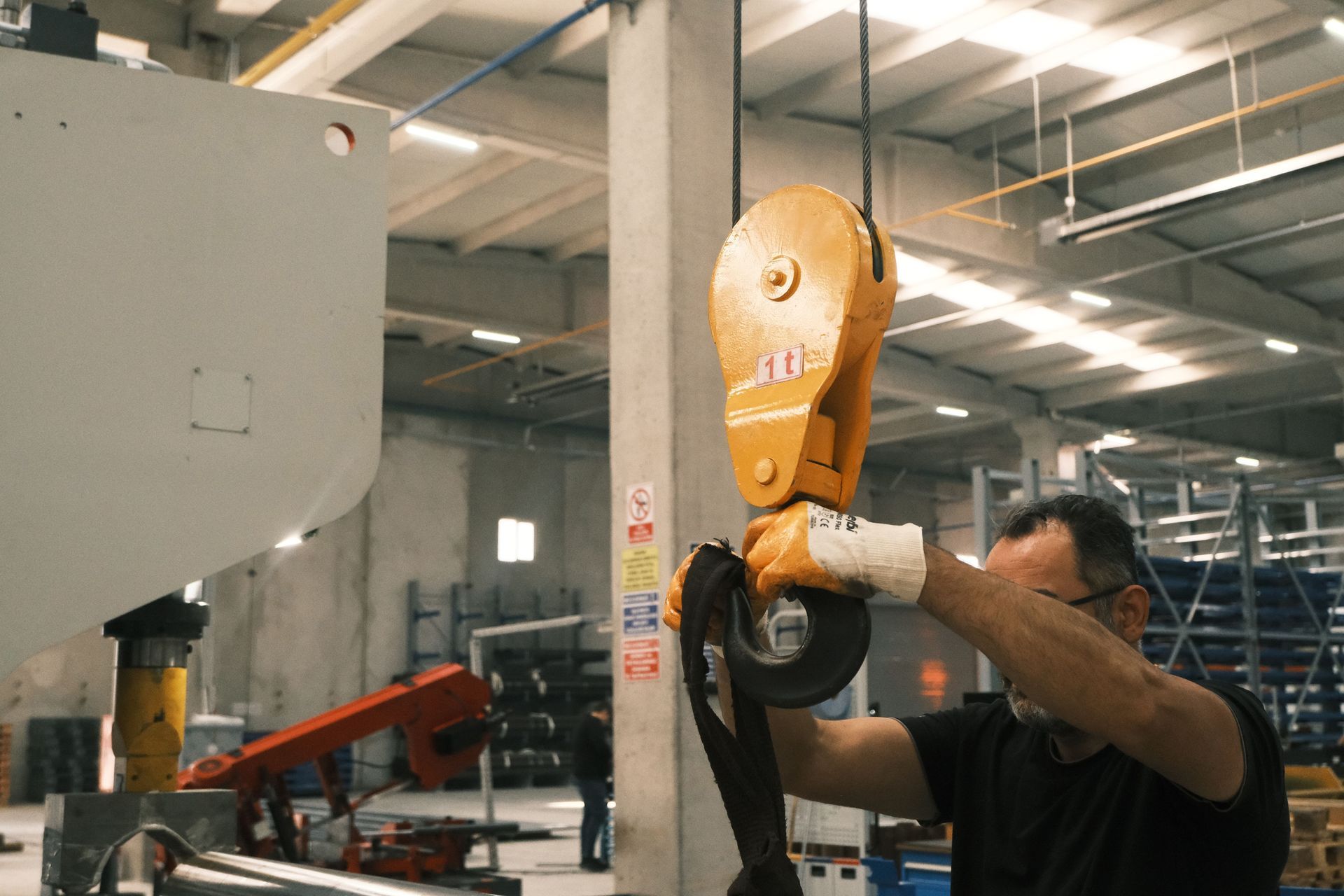
Challenges of Working as a Rigger
Although rigging can be a good career, it is important to understand the demands before committing to the role.
The work can be physically challenging. Riggers may spend long periods standing, climbing, carrying equipment, bending or working in awkward positions. Projects may continue in hot, cold, dusty, wet or windy conditions.
Working at heights is also common. Riggers must be comfortable using safety harnesses, accessing elevated work areas and following fall-prevention procedures.
The job carries significant safety responsibilities. Suspended loads, cranes and heavy equipment can create serious risks if lifting plans are not followed correctly. Riggers must remain focused, inspect equipment carefully and communicate clearly with the entire lifting team.
Schedules can also be demanding. Construction and shutdown work may involve early starts, night shifts, weekends and overtime. FIFO riggers may spend one or two weeks away from home during each rostered swing.
How Much Do Riggers Earn in Australia?
Rigger salaries vary depending on qualifications, experience, location, licence class and project type.
| Experience Level | Indicative Annual Salary |
|---|---|
| Entry-Level Rigger | $70,000–$90,000 |
| Experienced Rigger | $90,000–$130,000 |
| FIFO or Shutdown Rigger | $120,000–$160,000+ |
These salary ranges are general estimates and are not guaranteed. Actual earnings may depend on the employer, roster, overtime, site allowances and whether the position is permanent, casual or contract-based.
Workers with intermediate or advanced rigging licences may have access to more complex and higher-paying projects. Experience in mining, oil and gas, heavy industrial construction or shutdown maintenance may also improve earning potential.
When comparing rigger jobs, consider the complete employment package rather than the advertised salary alone. Superannuation, overtime rates, accommodation, meals, travel and remote-location allowances can significantly affect the total value of an offer.
What Qualifications Do You Need to Become a Rigger?
Rigging is classified as high-risk work in Australia. To legally perform rigging activities, workers must hold the appropriate High Risk Work Licence.
The three main licence levels are:
- Basic Rigging – RB: Covers activities such as structural steel erection, precast concrete installation, hoists and basic rigging systems.
- Intermediate Rigging – RI: Includes basic rigging activities as well as more complex work such as dual lifts and demolition.
- Advanced Rigging – RA: Covers advanced work involving suspended scaffolds, gin poles, shear legs and complex lifting systems.
Other common requirements include:
- White Card or construction induction card
- Working at Heights training
- Dogging High Risk Work Licence
- Confined Space training for some sites
- Current driver’s licence
- Construction or mine-site medical assessment
- Drug and alcohol screening where required
Dogging experience can provide a useful pathway into rigging because doggers learn how to select lifting gear, sling loads and direct crane movements.
Qualifications must be completed through an approved registered training organisation. Applicants must then apply for their High Risk Work Licence through the workplace safety regulator in their state or territory.
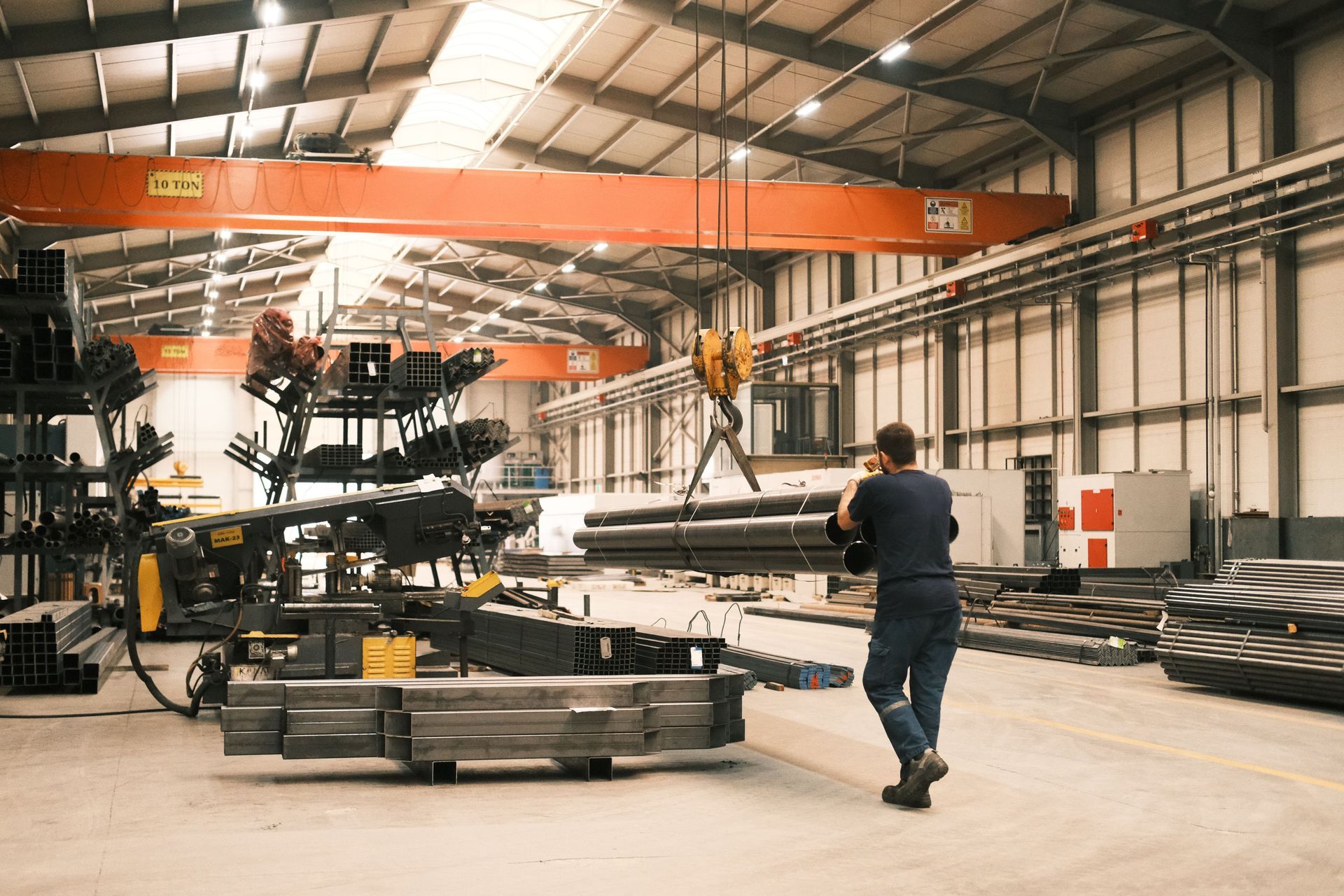
Is Being a Rigger Worth It?
Rigging may be worth pursuing if you enjoy practical work, teamwork and solving problems in active work environments. It can be especially suitable for existing labourers, trades assistants, doggers or construction workers who want to gain a specialised qualification.
The career may suit you if you:
- Enjoy working with tools, machinery and heavy equipment
- Can follow detailed safety procedures
- Are comfortable working outdoors or at heights
- Communicate clearly with team members
- Want access to construction, mining or FIFO opportunities
- Are interested in progressing into supervisory positions
Rigging may be less suitable for someone who wants an office-based role, a predictable Monday-to-Friday schedule or work without physical demands. FIFO rigging can provide higher earnings, but the roster and time away from home may not suit everyone.
Before accepting a position, compare the salary, roster, location, travel arrangements, safety culture and long-term development opportunities.
Frequently Asked Questions
Is rigging hard?
Rigging can be physically and mentally demanding. Workers need strength, coordination, attention to detail and the ability to remain focused during complex lifts. Training and experience make the work more manageable, but safety must always remain the priority.
Are riggers in demand in Australia?
Riggers are employed across construction, mining, infrastructure, shutdowns, manufacturing, oil and gas, and renewable energy projects. Demand can vary by location and project activity, but appropriately licensed workers with strong safety records are valuable across several industries.
Can you become a rigger without experience?
Yes, but most people begin by gaining experience in construction, labouring, dogging or crane-related work. Completing the required training and obtaining a High Risk Work Licence can help you qualify for entry-level rigging opportunities.
What is the difference between a dogman and a rigger?
A dogman selects and inspects lifting equipment, attaches loads and directs crane movements when the operator cannot see the load. A rigger can perform these duties and undertake additional work involving hoists, structural steel, load movement and specialised rigging systems, depending on the licence held.
Is rigging dangerous?
Rigging involves hazards such as suspended loads, working at heights and moving heavy equipment. Risks are managed through proper training, lift planning, equipment inspections, exclusion zones, communication and compliance with workplace safety procedures.
Find Rigger Jobs With Techforce Personnel
Being a rigger can provide competitive earnings, varied project experience and opportunities to work across construction, mining, infrastructure and FIFO projects. The strongest career prospects are generally available to workers who combine the correct licences with practical experience, reliability and a proven commitment to safety.
Techforce Personnel connects qualified candidates with rigger, dogman, construction, shutdown and FIFO jobs across Australia. Explore current opportunities and find a role that matches your qualifications, preferred roster and long-term career goals.
More Success Stories