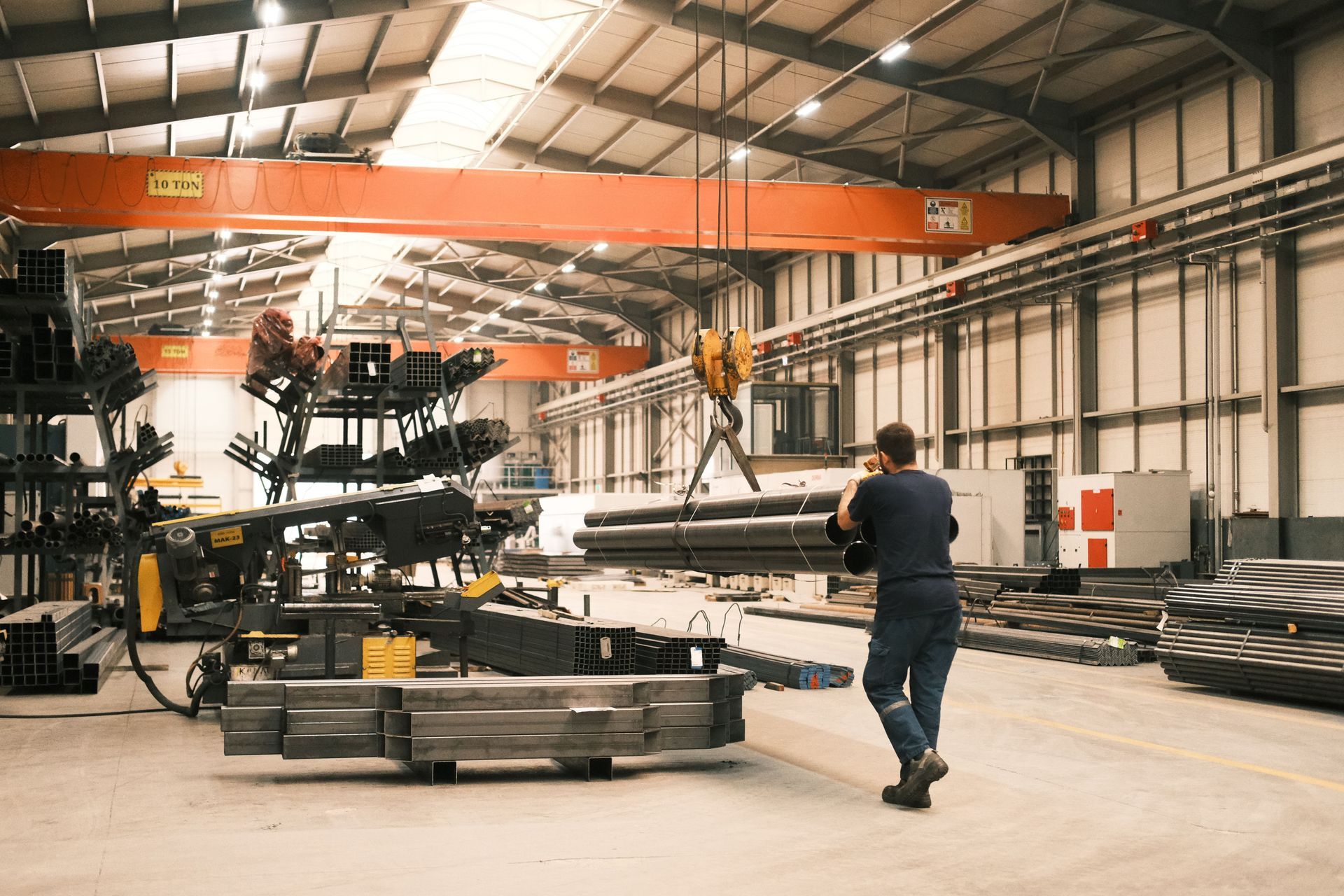

To become a rigger in Australia, you need a high risk work licence appropriate to the rigging activities you intend to perform. The recognised pathway typically begins with dogging before progressing through basic, intermediate and advanced rigging.
Additional qualifications may be required depending on the industry, working environment and employer. At
Techforce Personnel, we help candidates explore
rigging jobs across Australia, including opportunities within mining, construction and other industrial sectors.
Understanding the licensing requirements can help you plan your training and identify positions that match your qualifications.
Essential Rigger Qualifications in Australia
Rigging is classified as high risk work because it involves moving, positioning and securing heavy loads using specialised equipment. Before undertaking licensed rigging activities independently, you must hold the appropriate high risk work licence (HRWL).
The standard qualification pathway involves four nationally recognised units of competency:
| Qualification | Licence class | Training unit |
|---|---|---|
| Dogging | DG | CPCCLDG3001 |
| Basic rigging | RB | CPCCLRG3001 |
| Intermediate rigging | RI | CPCCLRG3002 |
These qualifications build progressively on the skills and knowledge required for different types of lifting and rigging operations. You can verify individual training units and registered training providers through the Australian National Training Register.
High Risk Work Licence Requirements
A high risk work licence demonstrates that you have met the relevant training, assessment and licensing requirements for a specified class of high risk work. According to Safe Work Australia, applicants generally need to be at least 18 years old, complete the relevant training and assessment, and apply through their state or territory work health and safety regulator.
Completing a training course does not automatically grant you a licence. You must also complete the applicable licensing process. High risk work licences are generally valid for five years. Keeping your licence current is important when applying for work or moving between employers. Check the requirements of your local regulator before enrolling in training, particularly if you intend to add a new licence class or return to work after your licence has expired.
Dogging as the Foundation for Rigging
Dogging provides the foundation for progressing into licensed rigging work. A dogman, also known as a dogger, is responsible for selecting suitable lifting gear and applying appropriate slinging methods. Dogging also involves directing crane operators when loads are not visible to them.
Completing the relevant dogging requirements is a prerequisite for progressing to basic rigging.
For candidates entering the industry, dogging can provide a starting point for developing practical experience and understanding how lifting crews operate.
Types of Rigging Licences in Australia
Australia has three principal rigging licence classes. Each class authorises different activities and builds on the preceding level.
Basic Rigging Licence (RB)
A basic rigging licence covers foundational rigging activities commonly associated with construction and industrial projects. Examples of work within this licence class include erecting structural steel, positioning precast building components and installing certain temporary safety systems and lifting equipment. Basic rigging may be a suitable starting point for candidates looking to develop their careers beyond dogging.
Intermediate Rigging Licence (RI)
Intermediate rigging extends the scope of basic rigging to include more complex lifting and equipment-related work. This class covers activities such as rigging industrial plant, certain crane and conveyor systems, demolition-related rigging and lifting operations involving two lifting devices. Intermediate rigging qualifications may be relevant to candidates seeking opportunities in heavy industry, mineral processing facilities and industrial maintenance.
Advanced Rigging Licence (RA)
Advanced rigging is the highest of the three principal rigging licence classes. It covers specialised work involving suspended scaffold systems, cable-based lifting systems and certain complex supported structures, in addition to activities covered by the preceding licence classes. An advanced licence can expand the range of positions you are eligible to apply for. However, employers may still require practical experience with specific equipment or project environments.
For a detailed breakdown of authorised activities and prerequisites, refer to the
official rigging licence guidance from Workplace Health and Safety Queensland.
Steps to Obtain Your Rigging Licence
If you are preparing to enter the rigging industry or upgrade your existing qualifications, the typical process includes:
- Identify the licence class required for your intended work.
- Confirm that you meet the relevant entry requirements and prerequisites.
- Enrol with a registered training organisation authorised to deliver the appropriate training.
- Complete the training and required competency assessments.
- Submit your licence application to the relevant state or territory regulator.
- Maintain your licence and renew it before expiry.
Application requirements and assessment procedures may vary between jurisdictions. Confirm the applicable deadlines, fees and documentation requirements with your local regulator.
Additional Qualifications Employers May Require
A rigging licence is essential for the licensed activities it covers, but employers may request additional credentials depending on the position.
These can include:
- White Card: General construction induction training for construction work.
- Working at heights training: Relevant to positions involving elevated work environments.
- Confined space training: Where duties involve entry into confined spaces.
- Elevated work platform qualifications or licences: Depending on the equipment being operated.
- First aid training: Where required by the employer or project.
- Site-specific inductions: Particularly for mining and industrial facilities.
Some employers may also require a current driver's licence, previous shutdown experience, medical assessments or other pre-employment checks.
Candidates exploring
mining jobs should pay particular attention to these additional requirements, as they can vary considerably between mine sites and project operators.
Before investing in additional training, review several relevant job advertisements to identify which qualifications are consistently requested.
Finding Work as a Qualified Rigger
When applying for rigging positions, ensure your resume clearly identifies your current licence classes, additional qualifications and relevant industry experience. Keep copies of your licences and training records accessible, and check that expiry dates are up to date.
If you are considering progressing to intermediate or advanced rigging, our guide to
rigging as a career in Australia provides further information about long-term employment prospects and career development. Whether you are developing your qualifications or looking for your next industrial project, Techforce can help you explore recruitment opportunities that match your skills and experience.
More Success Stories