Australia’s workforce is under pressure. Skills shortages, fast-changing industries, and uneven access to talent make it hard for businesses to hire well, and fast. Many don’t have time or resources to manage constant hiring, especially in trades, mining, logistics, or health.
Recruitment agencies help fill that gap.
They connect businesses with qualified workers, handle compliance, and reduce the risk of bad hires.
Agencies like Techforce Personnel, which operates across Perth, Adelaide, and Darwin, do this every day by staying close to market needs and keeping strong networks.
1. Skills Shortages Are Still Common
The 2024 Skills Priority List shows that industries like construction, transport, and healthcare still struggle to find experienced people. This slows down projects and increases costs.
Many roles need licenses, experience, or industry tickets. Not all businesses have time to train someone from scratch.
Recruitment firms already have access to job-ready workers. They know who’s available, what qualifications they hold, and how soon they can start. This helps fill roles faster.
“Recruitment works best when the agency knows your industry,” says hiring consultant Ella Ryan. “
That’s how you avoid delays and find people who can do the job on day one.”
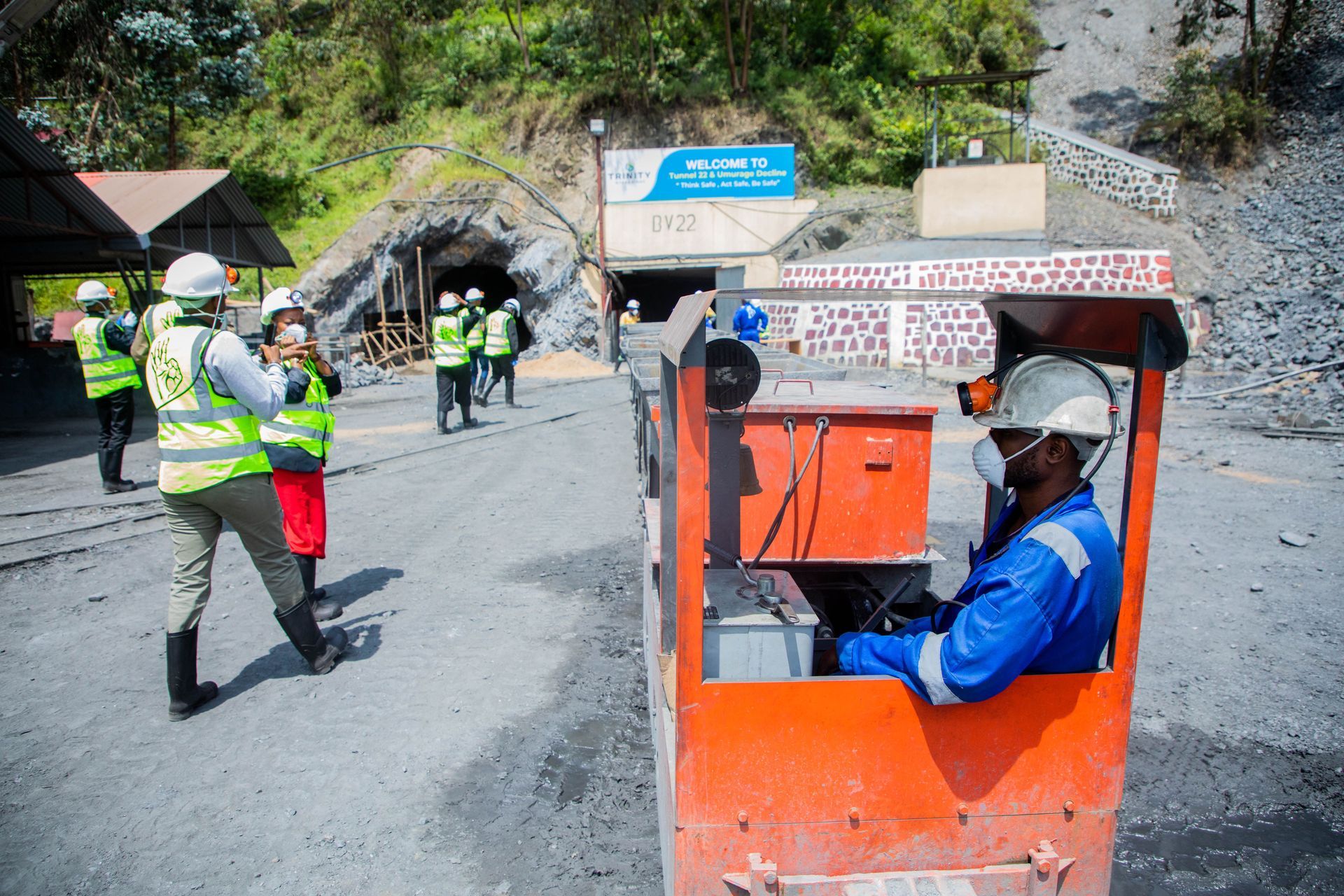
Agencies such as Techforce Personnel focus on sectors where speed and safety matter. That’s key in places like Perth and Darwin, where FIFO jobs and contract work are common.
2. Hiring Needs Change Fast
Some businesses need 50 workers this month and only 10 next month. Projects shift. Budgets move. Weather delays work.
Recruitment firms help manage this. They supply workers for short periods, longer contracts, or permanent roles. This gives employers flexibility without extra risk.
Labour hire also helps during seasonal peaks or sudden resignations. Instead of pausing work, companies can keep going while they find a permanent replacement.
Agencies that work across several regions like Techforce Personnel, can also move talent where it’s needed.
3. Avoiding Hiring Mistakes
Hiring the wrong person costs time and money. According to SEEK, the average cost of a bad hire in 2024 is over $20,000. That includes lost productivity, rehiring, and training.
Recruiters reduce this risk. They check skills, interview candidates, and confirm experience before sending them through.
They also look at the less obvious things like reliability, communication, and fit with the team.
Agencies often offer temp-to-perm options. This means you can trial someone on contract first. If it works out, you can hire them directly. This model is common in recruitment firms based in Perth, like Techforce Personnel.
4. Compliance is a Big Job
It’s not just about hiring. It’s also about doing it the right way.
There are safety rules, awards, payroll issues, and insurance to deal with. Mistakes here can lead to penalties or legal trouble, especially in industries like construction or mining.
Recruitment agencies take on that risk. They handle onboarding, contracts, and WHS paperwork. That frees up time for internal teams to focus on operations.
Agencies with local experience like those operating in South and Western Australia also know what licences and site tickets are needed in each region.
5. Finding Workers in Hard-to-Reach Areas
Many jobs are based in regional or remote Australia. Places like the NT or WA need workers who are willing to travel or work on rotation.
Recruitment firms are used to sourcing people for these roles. They understand FIFO, DIDO, and how to manage rotating rosters. They also help with logistics like travel and accommodation.
Without outside help, many of these roles would stay open for weeks, sometimes months.
Agencies with strong networks in Darwin and remote WA, such as Techforce Personnel, are often the first place employers call when they need remote staff fast.
6. Support for Workers, Too
Recruiters don’t just help businesses, they help job seekers too.
Agencies can connect workers with roles they might not find on their own. Many jobs aren’t listed on job boards. Recruiters also give feedback, flag openings, and explain what’s needed to land the job.
This is useful for people changing industries or looking to return to work.
Candidates who register with job portals like Techforce Personnel often hear about new roles first sometimes before they’re even posted online.
Final Thoughts
Hiring is harder than it used to be. But recruitment agencies make it easier. They give businesses more flexibility, help avoid mistakes, and improve access to skilled workers. At the same time, they support job seekers by opening more doors.
Techforce Personnel is one of the many agencies doing this work in Perth, Adelaide, and Darwin. To learn more, visit techforce.com.au.
More Success Stories