Providing an opportunity for job seekers to find work in rural or remote areas, without needing to relocate, FIFO (Fly In Fly Out) work also helps employers meet their workforce demands, where local labour is not available.
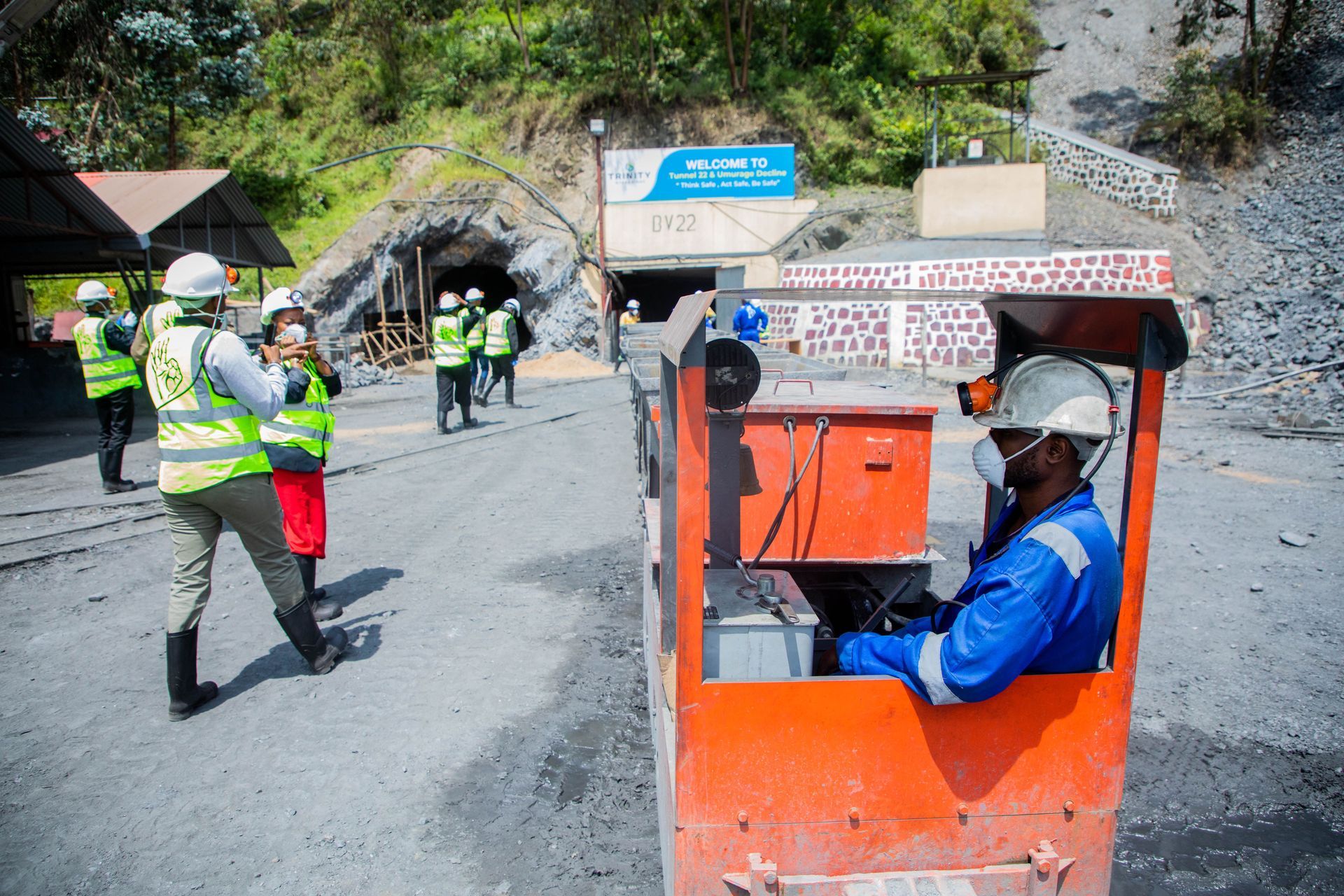
Mining recruitment for FIFO (Fly-In Fly-Out) positions is a popular working arrangement in the mining, construction, oil, and gas industries. Employers temporarily transport employees to their work location for their rostered shifts – generally one to two weeks – and back home during their ‘off’ days.
While FIFO can provide great opportunities and numerous benefits, being away from home and family for long periods of time can impact an individual’s lifestyle and isn’t suited to everyone. Here, Techforce shares everything to know about the benefits and challenges of FIFO work.
FIFO rosters and allowances
FIFO workers are usually required to work long hours of up to 12 hour shifts with minimal downtime. Common roster arrangements include seven days on followed by seven days off or 14 days on followed by 14 days off. The pay for FIFO work is usually significantly higher than average to compensate for the inconvenience of being away from home and the long working hours. Each site will have different conditions, allowances (such as for meals), salaries, travel arrangements and recreational facilities. As most FIFO sites are isolated, there may be little or no opportunity to go anywhere outside the campsite.
Working remotely without relocating
Techforce points out some key benefits of FIFO work include the flexibility to work in different locations without the requirement to relocate permanently, the ability to maintain a clear separation between work and life, exposure to exciting industries and diverse people with endless career growth opportunities and the ability tospend quality time with family and friends during days off.
Challenges balancing the demands of FIFO work
FIFO work comes with its own set of challenges. Techforce says workers can often feel isolated as they will likely miss out on many significant milestones and events back home due to the nature of living away. Being away for long periods of time can also put a strain on relationships. Additionally, the long rosters and hours can leave some feeling fatigued and burnt out.
Techforce says while FIFO work is not suited for everyone, it can be an extremely rewarding and worthwhile career choice for the right person. Whilst mining FIFO opportunities are among the most common, many other industries may offer FIFO work including chef jobs. To discover more about available opportunities wide as well as other positions including discover more about available opportunities such as FIFO chef jobs Perth wide as well as other positions including chef jobs and more, contact Techforce.
More Success Stories